Toxic Trails: How Pollution Alters Ecosystems
Pollution has become one of the most pervasive and pressing issues of the modern world, affecting every corner of the Earth from the depths of the oceans to the once-pristine mountain ranges. In this comprehensive exploration, we dive into how pollution impacts various ecosystems and the consequences for biodiversity and human health. Understanding these impacts can help in driving policies and practices that aim to minimize environmental threats.
Understanding Pollution in Ecosystems
Ecosystems are complex networks where plants, animals, and microorganisms interact with their physical environment. Pollution disrupts these delicate balances in several ways depending on the nature of the pollutants and the vulnerability of the ecosystem. Key pollutants include plastics, industrial waste, pesticides, and airborne contaminants, all contributing to what is known as ‘toxic trails.’
“Toxic trails”, a term now frequently used in environmental sciences, refers to the pathways through which pollutants travel and spread across different ecosystems, leading to widespread environmental disruption.
Types of Pollution and Their Effects on Ecosystems
Water Pollution
Water pollution is perhaps the most visible form of pollution. It includes the release of substances like chemicals, waste, and plastics into water bodies. A typical example is the runoff from agricultural fields carrying pesticides and fertilizers into streams and rivers. This type of pollution can cause eutrophication, a process that leads to excessive growth of algae and depletion of oxygen in water bodies, resulting in severe impacts on aquatic life and water quality.
Air Pollution
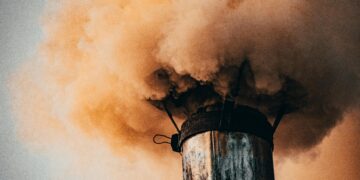
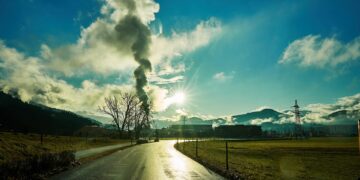
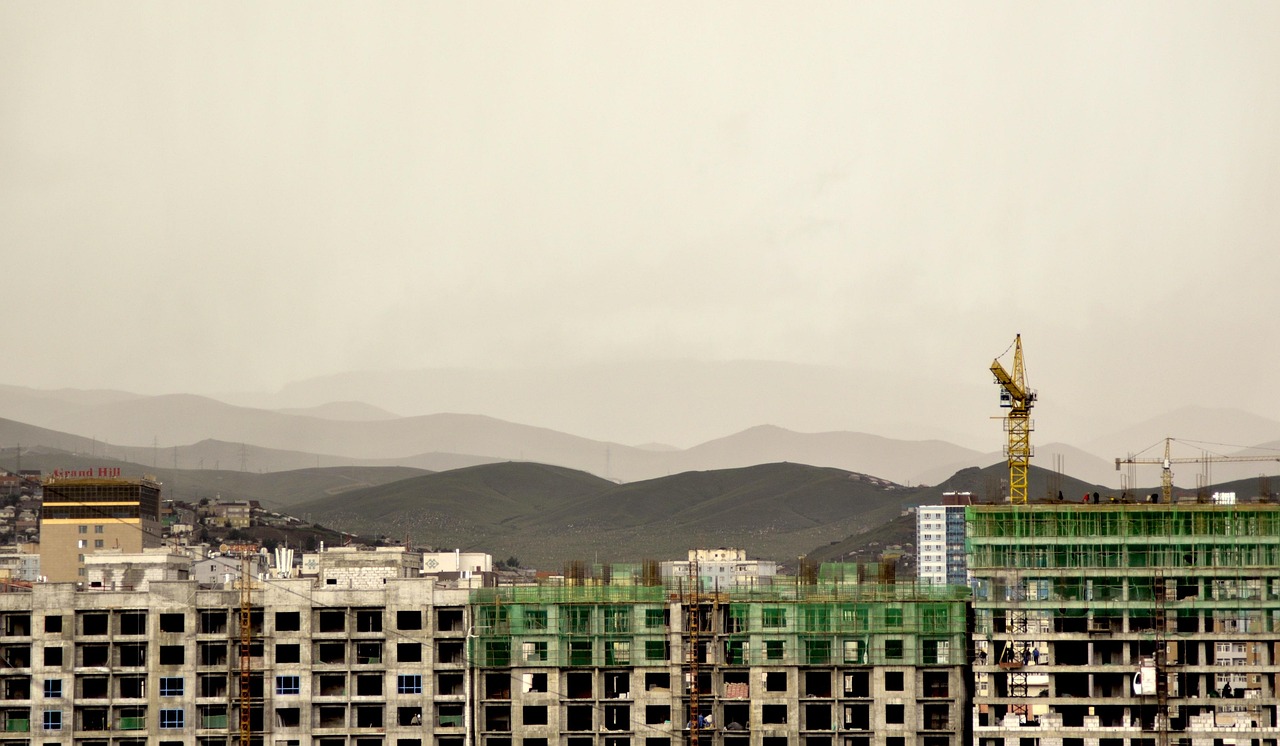
Air pollution results from the emission of pollutants such as sulfur dioxide, nitrogen oxides, and particulate matter from vehicles, industries, and burning of fossil fuels. When deposited into soil and water bodies, these pollutants can lead to acid rain, which significantly alters the pH of ecosystems, making environments hostile for many species.
Soil Pollution
Soil pollution occurs due to the deposition or burial of pollutants like chemicals, heavy metals, and hydrocarbons within the soil. Contaminants can hinder plant growth by altering soil chemistry and harming the microbes that aid in decomposition and soil fertility, leading to reduced agricultural yields and disruption of local flora and fauna.
Impacts on Biodiversity
The introduction of pollutants into natural habitats can lead to a significant reduction in biodiversity. Sensitive species may be the first to decline or disappear, altering food chains and ecological functions. This biodiversity loss affects not only the species but also the human populations that rely on these ecosystems for food, clean water, and recreation.
Case Studies: Polluted Ecosystems Around the World
Documented cases such as the Great Barrier Reef in Australia and the Amazon rainforest have shown significant ecological upheaval due to pollution. In the Great Barrier Reef, coral bleaching has been directly linked to ocean warming and water pollution. Similarly, deforestation and the resultant soil erosion in the Amazon rainforest have led to siltation and changes in watercourses.
FAQs on Pollution and Ecosystem Health
How Does Pollution Affect Human Health?
Pollution doesn’t just stop with ecosystems; it has a profound impact on human health. Pollutants can enter the human body through contaminated water, air, or food, leading to diseases such as asthma, cancers, and various chronic health conditions.
What Can Be Done to Reduce Pollution?
Efforts to reduce pollution involve both legislation and community action. Policies like the Clean Air Act and water quality standards have helped to curb the most glaring pollution issues. On a community level, practices such as recycling, proper waste disposal, and reduced use of plastics contribute to pollution reduction.
Why Is Biodiversity Important to Ecosystems?
Biodiversity is critical as it ensures natural sustainability for all life forms. It aids in everything from fertile soils and plant pollination to water purification and climate regulation. Once biodiversity is compromised, so too is the health and functionality of the ecosystem.
Conclusion
The trails of pollution through our ecosystems are pervasive and profoundly damaging, leading to a ripple effect of consequences that touch all forms of life. By understanding the sources and effects of pollution, we can better manage and mitigate its impact on our world. Education, legislation, and individual action each play critical roles in addressing this pressing global issue.