Eco-Friendly Solutions: Exploring Sustainable Plastic-Free Alternatives
Isn’t it shocking that every piece of plastic ever created still exists somewhere on our planet today? This durability makes plastic incredibly useful, but also extremely harmful for our environment. It’s high time we look at eco-friendly solutions that steer clear of plastics. How about exploring some practical, sustainable, plastic-free alternatives?
Understanding the Impact of Plastics
First off, why this fuss about plastics? Well, they stick around in the environment for hundreds of years, polluting our oceans, harming wildlife, and even entering our food chain. Plus, the production and disposal of plastic contribute massively to climate change. This is where sustainable alternatives come into the picture, offering a brighter, cleaner future.
Sustainable Alternatives to Everyday Plastic Items
Switching out plastics from our daily use isn’t just good for the planet; it’s also healthier for us. So, let’s dive in!
1. Grocery Shopping Switch-Up
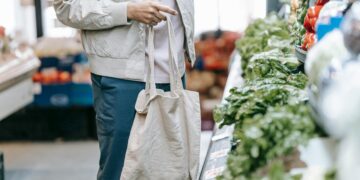
Begin with bringing your own bags to the store. Opt for cloth or jute bags instead of plastic ones. They’re sturdier and can be reused multiple times. What about produce bags? Don’t worry, there are mesh reusable options that can replace those thin plastic bags for fruits and vegetables.
2. Kitchen Makeover
Plastic wraps are super common in kitchens, but have you tried beeswax wraps? They’re natural, reusable, and biodegradable. For storing leftovers, switch to glass or stainless steel containers. These materials are safer for your food and the environment.
3. Rethinking Personal Care
Bathroom products hold a ton of single-use plastic. Think about swapping plastic toothbrushes for bamboo ones. Also, consider using bar shampoos and conditioners instead of bottled ones. Not only do they last longer, but they also come with minimal packaging.
Benefits of Going Plastic-Free
Embracing plastic-free alternatives does more than just help the environment. It can also lead to healthier lifestyles and cost savings in the long run. By reducing your plastic usage, you’re also cutting down on potential toxins in your home, leading to a cleaner living space and a healthier family.
Challenges and How to Overcome Them
It’s not all smooth sailing though. One of the biggest challenges is the initial transition and getting used to new habits. Here’s the thing, start small. Change one product at a time; this isn’t a race. It’s okay to gradually make changes as you find suitable alternatives that fit your lifestyle.
Local Success Stories
It might surprise you, but many communities around the world are leading the way in plastic-free living. For example, a small town in Japan has effectively banned single-use plastics and has seen significant improvements in local pollution levels and wildlife health. These real-life examples can serve as a great motivation for us!
Engagement with the Community
Why not get involved with local clean-up efforts or plastic-free challenges? These activities can be fun and immensely rewarding. Plus, you meet like-minded individuals who share your passion for a cleaner environment. It’s a win-win!
Conclusion
In wrapping up, transitioning to plastic-free alternatives isn’t just about buying different products; it’s about altering our lifestyle for a sustainable future. Remember, every small change contributes to a big difference. Ready to make a switch and tread lighter on our planet?