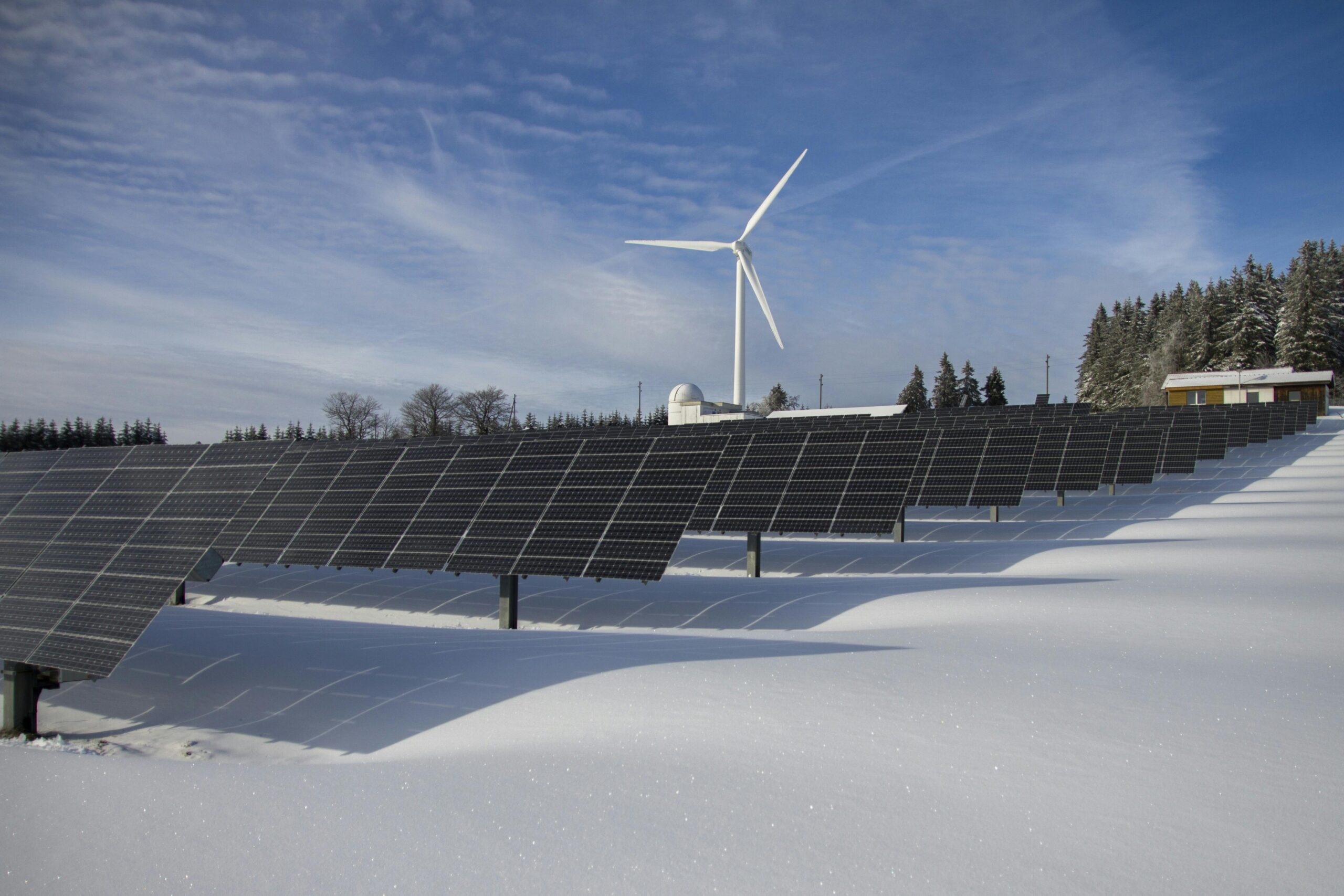
Green Energy Essentials for Beginners: Simple Steps to Sustainable Living
As awareness about environmental sustainability grows, more individuals are looking to incorporate green energy solutions into their lifestyles. Green energy, derived from natural sources and characterized by its renewability and minimal environmental impact, is a cornerstone of sustainable living. This article will guide beginners through the basics of green energy, offering practical advice for adopting a more eco-friendly lifestyle.
Understanding Green Energy
What is Green Energy?
Green energy refers to energy produced from natural sources such as the sun, wind, water, and geothermal heat. These sources are renewable, meaning they don’t deplete over time like fossil fuels. Additionally, they emit little to no greenhouse gases or pollutants, making them environmentally friendly options.
Key Types of Green Energy:
- Solar Energy: Generated by converting sunlight into electricity using photovoltaic cells.
- Wind Energy: Produced by converting wind currents into electrical power through wind turbines.
- Hydropower: Generated by harnessing the power of moving water.
- Geothermal Energy: Produced by utilizing heat stored beneath the Earth’s surface.
Simple Steps to Implement Green Energy
Adopting green energy doesn’t have to be overwhelming. Start with small, manageable steps to gradually transform your energy consumption habits.
1. Conduct an Energy Audit
Begin your journey by understanding your current energy usage. Many utility companies offer free home energy audits, which can help identify areas where you can improve efficiency and reduce electricity consumption.
2. Invest in Energy-Efficient Appliances
Replace old, inefficient appliances with newer, energy-efficient models. Look for products with the ENERGY STAR label, which signifies compliance with energy efficiency standards set by the U.S. Environmental Protection Agency.
3. Consider Solar Panels
Installing solar panels is a significant but impactful step towards green energy. Solar panels can reduce your dependence on non-renewable energy sources and might also decrease your electricity bills. Inquire about local incentives and grants that can help mitigate installation costs.
4. Explore Wind Energy Solutions
If you live in a windy area, small-scale wind turbines can be an effective solution for generating clean energy. Like solar, wind energy systems can be connected to the grid, providing a consistent energy supply and potential savings.
5. Utilize Smart Thermostats
Smart thermostats help optimize your home’s heating and cooling systems, ensuring energy is used efficiently. They adjust the temperature based on your routines and preferences, minimizing energy waste.
Benefits of Embracing Green Energy
Switching to green energy sources not only supports global efforts against climate change but also offers personal benefits:
- Lower Energy Bills: Renewable energy sources, particularly solar and wind, can reduce your electricity bills through grid connections and possible feed-in tariffs.
- Increased Property Value: Homes equipped with green technologies like solar panels often enjoy higher market values.
- Reduced Carbon Footprint: By minimizing reliance on fossil fuels, you contribute to a significant reduction in carbon emissions.
- Tax Incentives: Many governments offer tax benefits or credits to encourage the adoption of renewable energy technologies.
Addressing Common Questions
Is Green Energy Reliable?
Yes, when integrated with the existing power grid and complemented by energy storage systems, renewable energy can be as reliable as traditional power sources.
What Is the Cost of Transitioning to Green Energy?
The initial setup cost for systems like solar panels or wind turbines can be high, but long-term savings and government incentives often offset these costs. Moreover, technological advancements are continually reducing installation expenses.
Can I Implement Green Energy in a Rented Home?
Yes, you can discuss options like portable solar panels or share renewable energy goals with your landlord. Sometimes, property owners are willing to invest in these improvements for their long-term benefits.
Conclusion
Green energy is accessible and beneficial not just for the environment but also for individual households. By starting with simple steps such as conducting an energy audit, investing in efficient appliances, and considering renewable energy installations, anyone can contribute to a healthier planet. Remember, each small step towards green energy is a leap towards sustainable living.
Embarking on your green energy journey doesn’t just change your energy consumption; it inspires a more sustainable and responsible lifestyle. Start your journey today and become a part of the solution to global environmental challenges.