

Innovating Sustainability: How Next-Generation Technologies Are Shaping Green Buildings
Imagine walking into a building that not only breathes but also purifies the air as you breathe it. This isn’t a scene from a futuristic novel; it’s becoming a reality thanks to cutting-edge technologies in green building innovation. Buildings around the world are transforming into living, sustainable ecosystems. But how exactly are these changes being implemented?
Understanding Green Buildings
First off, let’s break down what a green building is. Essentially, it’s a structure designed to reduce the overall impact on the natural environment through efficient energy use, water conservation, and reduced waste. But here’s the thing—achieving this isn’t just about slapping on some solar panels and calling it a day. It involves a deep integration of several next-generation technologies that work together to create a highly sustainable living space.
The Role of Advanced Materials
One of the pillars of green building is the use of advanced materials. From self-healing concrete to transparent solar panels, the material innovations are frankly mind-blowing. Take thermochromic windows, for example. These are windows that change their tint based on the temperature outside, hence reducing the need for air conditioning during hot days. Let’s understand that this isn’t just about comfort; it’s also a monumental step towards reducing energy consumption.
Smart Systems and IoT
Now, pair those advanced materials with the Internet of Things (IoT). Buildings aren’t just buildings anymore; they’re smart systems capable of reacting to their environment in real-time. They can adjust lighting, heating, and even water usage based on occupancy or other environmental factors. Imagine walking through a room and having the lights adjust automatically to your preferred settings without flipping a single switch—convenient, right?
Renewable Energy Integration
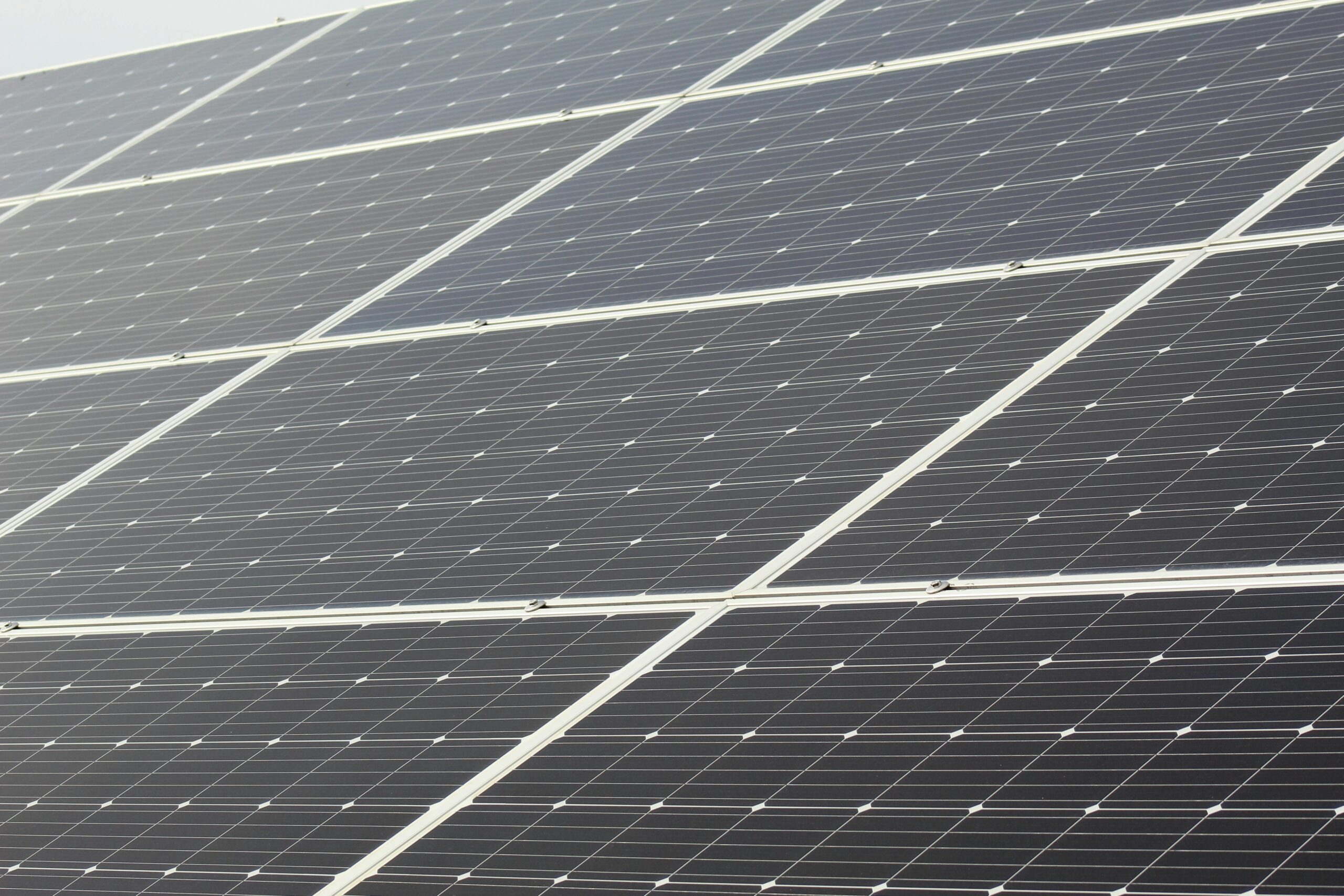
With all the talk about materials and IoT, let’s not forget the backbone of green building: renewable energy. Solar energy has been around the block, but the integration techniques are getting more innovative. Building-integrated photovoltaics (BIPV) are a perfect example where the building’s very skin is made of solar panels, blending aesthetics with function. The future of urban landscapes can look bright without compromising the planet’s health.
Water Conservation Techniques
Aside from energy, water is another critical resource that green buildings help conserve. New technologies like greywater recycling systems and low-flow fixtures are becoming standard practices in new developments. These systems take water that’s already been used once (like from sinks or showers) and treat it for reuse in non-potable applications, which dramatically reduces the building’s overall water demand.
Impact on Urban Life
So, what does all this mean for urban life? Cities can be transformed into hubs of sustainability that not only benefit the environment but also improve the quality of life for residents. Green buildings can reduce urban heat, promote cleaner air, and even lower energy costs.
Transforming Urban Landscapes
Picture this: cities filled with buildings that clean the air, produce their own energy, and manage water like a pristine natural ecosystem. This isn’t just good for the planet—it’s a healthier way of living. Living walls, rooftop gardens, and sustainable architecture could soon become the standard, reshaping our urban environments into greener, more livable spaces.
Concluding Thoughts
Innovating sustainability isn’t just a trend; it’s a necessity as we look towards making urban environments more livable and energy-efficient. Next-generation technologies are setting the stage for massive changes in how we think about and construct our buildings—turning them from mere structures into dynamic ecosystems. As green buildings continue to evolve, they pave the way for a sustainable, exciting future.
Let this be an invitation to envision a greener future, starting with the spaces we live and work in every day. It’s not just an idea anymore; it’s a growing reality that can significantly alter our impact on the earth in the best possible way.



