Plastic’s Legacy: Unraveling the Environmental Catastrophe
The modern world’s reliance on plastic is one of the defining characteristics of contemporary life. Plastics offer unparalleled convenience and are used in virtually every industry from packaging and automotive to technology and medicine. However, this convenience comes with a hefty price tag for the environment. The pervasive nature of plastic waste, its impact on wildlife, its contribution to climate change, and the challenges associated with recycling are prompting urgent calls for rethinking our dependency on plastic materials.
The Scale of the Plastic Waste Problem
Globally, we produce over 300 million tons of plastic each year, half of which is designed for single-use. Unfortunately, a staggering 91% of plastic waste isn’t recycled. This leads to significant environmental pollution, primarily affecting the world’s oceans. It’s estimated that by 2050, there could be more plastic by weight in the oceans than fish. Moreover, marine species suffer from ingestion and entanglement, leading to severe injuries and deaths.
Impact on Wildlife and Ecosystems
Plastic waste harms wildlife both in the oceans and on land. Marine animals, such as turtles, fish, and seabirds, can mistake plastic for food leading to ingestion that can be fatal. Plastics also leach chemicals into the water and soil, affecting the health and reproductive systems of these animals. On land, animals can get entangled in plastic waste, or ingest plastics that pollute their environment, which can stunt their growth and cause premature death.
Climate Change Contributions
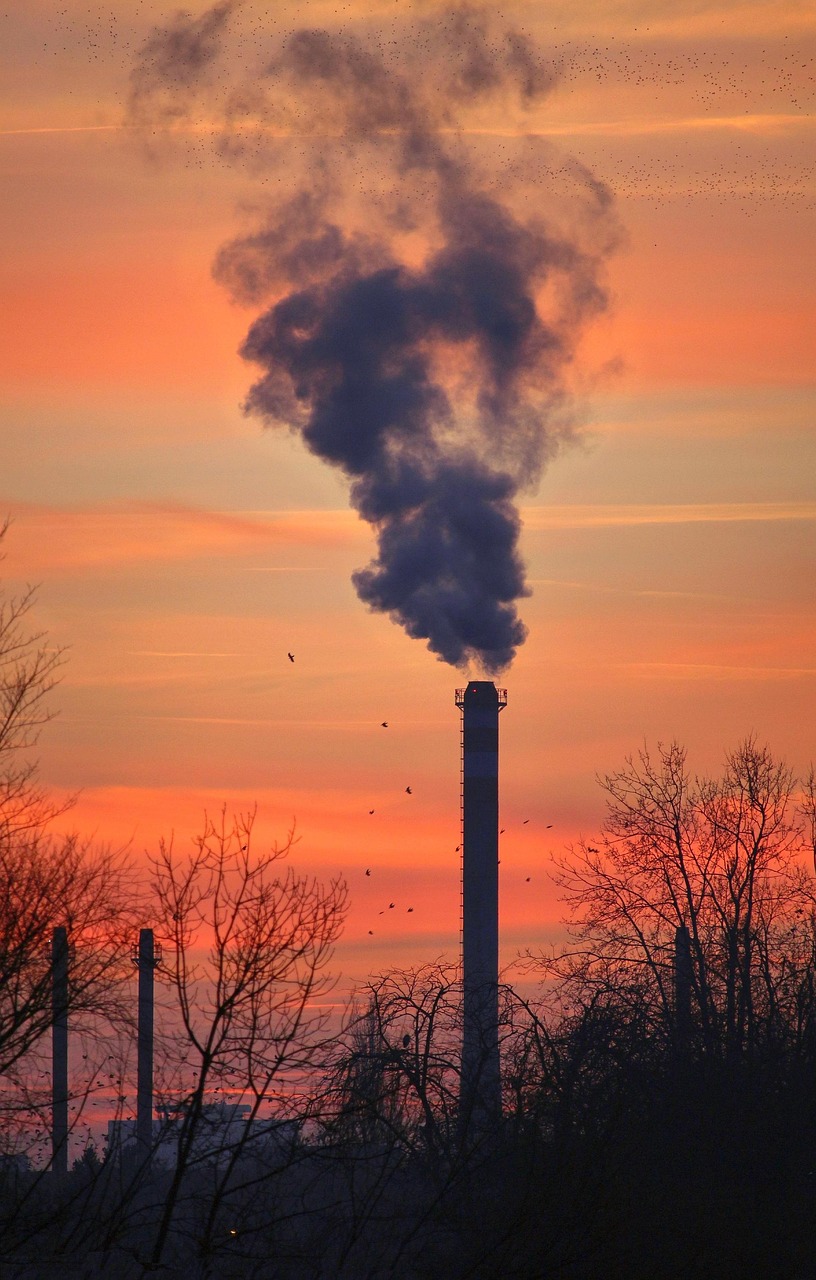
The production and disposal of plastic contribute significantly to climate change. Plastic manufacturing is energy-intensive, relying heavily on fossil fuels. About 4% of the world’s petroleum production is used to make plastics, and an additional 3-4% is expended in the refining process. Furthermore, when plastic waste is burned for disposal, it releases a large amount of carbon dioxide and other harmful gases into the atmosphere, exacerbating the greenhouse effect.
Recycling Challenges
Recycling, while a critical part of solving the plastic pollution problem, faces multiple challenges. The differing types of plastics need to be separated for effective recycling, which is often not feasible or cost-effective. Furthermore, there are technical issues in the recycling process that lead to lower-quality materials that limit their use in high-value products, ultimately leading to more waste.
Biodegradable Plastics: An Effective Solution?
The development of biodegradable plastics has been touted as a solution to combat plastic waste. However, these plastics often require specific conditions to degrade fully and can still release methane, a potent greenhouse gas, if decomposed anaerobically. Moreover, they do not address the root issue of overproduction and consumption of throwaway plastic.
Global Initiatives and Individual Actions
Several global initiatives have been put in place to tackle the issue of plastic waste. The United Nations Environment Programme (UNEP) has initiated campaigns like #CleanSeas to fight marine litter. Countries like Rwanda and Kenya have implemented strict bans on the manufacture, sale, and use of single-use plastics.
On an individual level, people are embracing movements to reduce plastic usage, such as choosing reusable shopping bags, participating in beach clean-ups, and advocating for policies that minimize plastic use.
Frequently Asked Questions
Why can’t all plastic be recycled?
Not all plastics are created equal. Different types of plastics like PET, HDPE, and PVC have different recycling processes and not all recycling facilities are equipped to handle all types. Additionally, contaminated or mixed materials can complicate the recycling process.
Are bioplastics a viable alternative?
Bioplastics, made from plant materials, do reduce reliance on fossil fuels and can be biodegradable. However, they still require significant energy for production and aren’t a panacea. The focus should instead be on reducing overall consumption of single-use products, regardless of the material.
What can I do to reduce my plastic footprint?
Simple actions can make a difference, such as using reusable shopping bags, avoiding single-use plastics like straws and utensils, buying bulk to reduce packaging waste, and supporting legislation that promotes sustainable practices.
Conclusion: Rethinking Our Plastic Dependency
The legacy of plastics is notably marked by environmental challenges. Effectively addressing these issues requires a dual approach of improving recycling technologies and reducing our production and consumption. Reimagining and innovating beyond traditional plastics towards a sustainable future is crucial in mitigating this environmental catastrophe.