Redefining Urban Landscapes: Innovations in Green Building for a Sustainable Future
As urban populations continue to grow at an unprecedented rate, the need for sustainable urban planning and development has become more critical than ever. Innovations in green building are at the forefront of redefining urban landscapes, creating environments that are not only eco-friendly but also resilient and sustainable. This in-depth look examines the latest trends and technologies in green building, addresses common questions, and offers insights into the future of urban development.
The Importance of Green Building in Urban Environments
In recent years, the concept of green building has evolved from a niche interest to a fundamental aspect of urban development. The integration of sustainable building practices helps mitigate the environmental impact of urbanization by reducing energy usage, minimizing waste, and improving the overall quality of life for residents. Furthermore, green buildings play a critical role in climate change mitigation by significantly lowering greenhouse gas emissions.
Innovative Technologies and Practices in Green Building
1. Energy Efficiency and Renewable Energy Integration
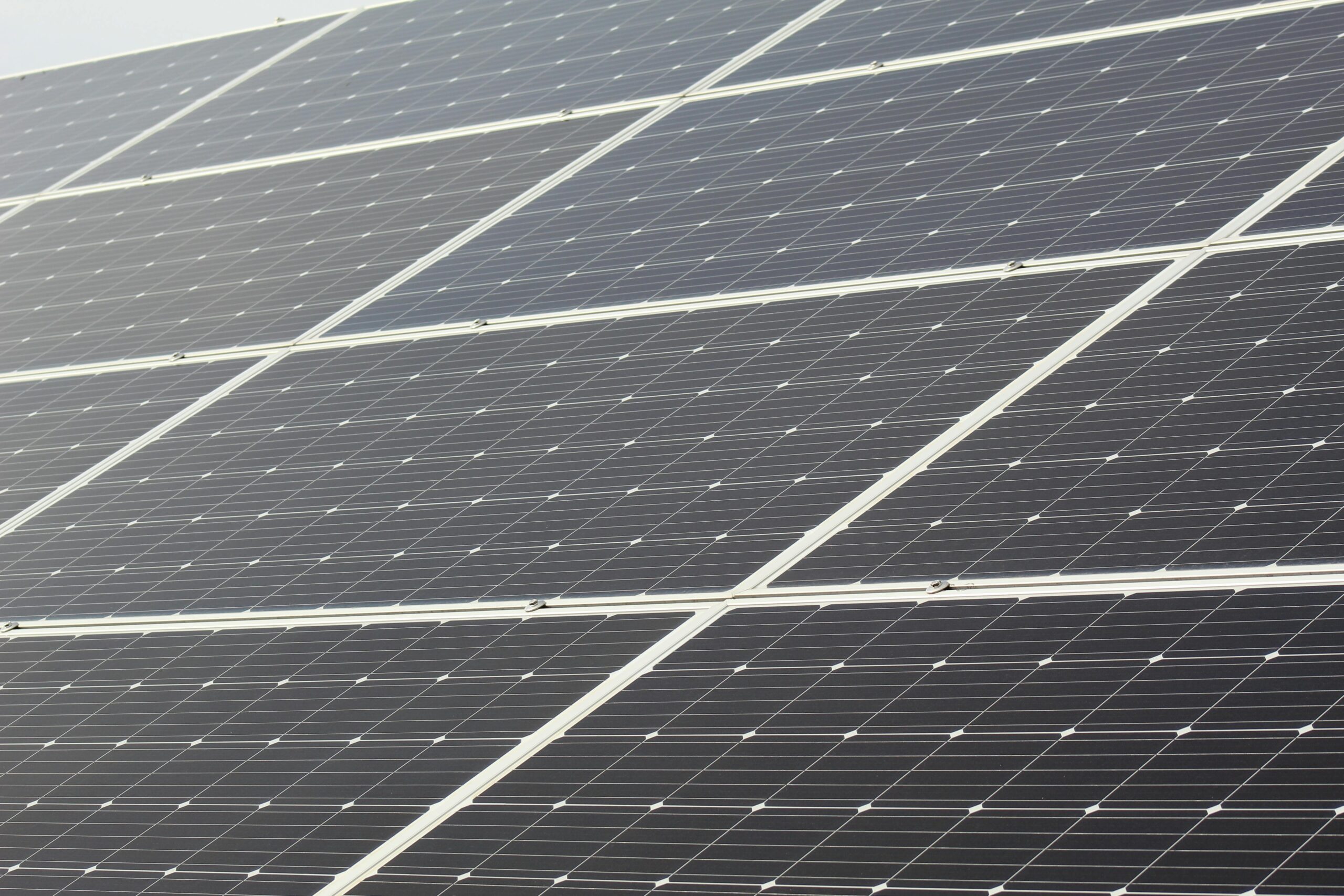
One of the pillars of green building is enhancing energy efficiency. This can be achieved through innovative insulation techniques, high-efficiency windows, and energy management systems that monitor and control energy use more effectively. Moreover, the integration of renewable energy sources such as solar panels, wind turbines, and geothermal systems reduces reliance on fossil fuels and promotes a sustainable energy footprint for urban areas.
2. Sustainable Building Materials
Another crucial element is the use of sustainable building materials that are either derived from non-toxic, renewable, or recycled sources. These materials not only reduce the environmental impact but also contribute to healthier indoor environments. Bamboo, recycled steel, and precast concrete are examples of sustainable materials that are gaining popularity in modern construction projects.
3. Water Conservation and Management
Water efficiency is also a significant concern in green buildings. Techniques like rainwater harvesting, gray water recycling, and the installation of water-efficient fixtures ensure that water usage is optimized and that the impact on local water resources is minimized. These systems not only conserve water but also significantly reduce the building’s overall water footprint.
4. Green Roofs and Living Walls
Green roofs and living walls offer multiple benefits such as insulation and natural cooling, reduction of stormwater runoff, and enhancement of biodiversity in urban areas. These features also have the added advantage of improving aesthetic values and contributing to the emotional wellbeing of urban residents by providing green spaces within dense city landscapes.
Case Studies and Real-world Examples
Around the world, cities are embracing green building practices with remarkable results. For example, the Edge in Amsterdam, often cited as one of the most sustainable buildings globally, uses a vast array of solar panels, and an intelligent network of connected devices to achieve unheard-of energy efficiency scores. Similarly, the Bullitt Center in Seattle, USA, has been heralded for its zero-net energy approach and claims to be the greenest commercial building in the world.
Frequently Asked Questions about Green Building
What is the main goal of green building?
The primary goal of green building is to reduce the environmental impact of the buildings by promoting resource conservation (energy, water, materials) and improving air quality and well-being for its occupants.
Are green buildings more expensive?
While the initial cost may be higher compared to traditional buildings, green buildings significantly reduce utility bills and maintenance costs, leading to financial savings in the long run.
How does green building contribute to public health?
Green buildings improve indoor air quality and natural light, significantly impacting the health of occupants by reducing pollutants and enhancing living conditions.
The Future of Urban Development
As we advance, the adoption of green building technologies and practices is expected to grow, driven by regulatory support and increasing awareness of environmental issues. Innovations such as smart homes equipped with AI to optimize energy use and advancements in sustainable materials science are setting the stage for the next generation of green buildings.
Ultimately, the future of urban landscapes hinges on our ability to embrace sustainable practices today. By investing in green building innovations, cities can ensure that they remain vibrant and livable for future generations, providing a roadmap for a sustainable and prosperous future.