Unlocking the Power of Nature: Top Renewable Energy Sources
Did you know that about 29% of the world’s power comes from renewable resources? This incredible statistic not only highlights humanity’s ingenuity but also underscores an urgent pivot towards more sustainable energy practices as global energy demands soar.
Why Renewable Energy?
Let’s dig into why renewing our energy sources is crucial. At its core, renewable energy comes from natural processes that are continuously replenished. This includes sunlight, wind, rain, tides, and geothermal heat. These sources are not only abundant but also much kinder to our planet than fossil fuels, which emit harmful pollutants and are limited in supply.
The Environmental Non-Negotiable
Consider this: each time we opt for renewables, we’re reducing our carbon footprint. This is vital for protecting our environment and slowing climate change. Plus, renewables lessen our dependence on imported fuels, which can enhance national security and provide economic benefits through job creation in new industries.
Leading Players in Renewable Energy
So, what are the top sources of renewable energy? Here’s a breakdown of some major players that are shaping how we power our world sustainably.
Solar Power
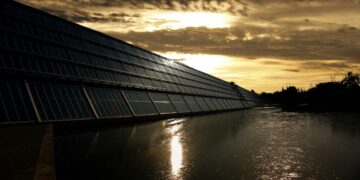
Solar energy is derived from the sun’s radiation and can be converted into heat or electricity. It’s one of the cleanest sources of energy, and advancements in solar panel technology have dramatically increased its efficiency and lowered costs. Real-life applications range from residential rooftops harnessing sunlight to power homes, to giant solar farms that feed electricity to the grid.
Wind Energy
Wind power is generated through wind turbines that convert kinetic energy from the wind into mechanical power. This can then be converted into electricity through a generator. Wind farms can be found both onshore and offshore, and they are particularly beneficial in areas with strong, consistent winds.
Hydropower
Derived from the energy of flowing water, hydropower is primarily generated through dams that capture the kinetic energy of falling water. It’s a powerful source for electricity and also one of the oldest. Countries with large river systems, like Canada, Brazil, and China, harness substantial amounts of energy from hydropower.
Geothermal Energy
Geothermal energy utilizes the earth’s internal heat. By tapping into steam or hot water reservoirs beneath the Earth’s surface, power plants can generate electricity. This form of energy is not only sustainable but also reliable, providing power at all times unlike solar or wind that depend on the weather.
Future of Renewable Energy
Looking ahead, the potential of renewable energy is limitless. Innovations in battery storage, smarter grids, and emerging tech like hydrogen fuel are paving the way for even broader adoption. Here’s the thing: embracing these sources is not just about setting up infrastructure but also about adopting new behaviors and policies that make sustainability a priority.
What Can We Do?
-
Advocate and Educate: Spread the word about the benefits of renewable energy. More knowledge leads to greater acceptance and support.
-
Investment: Consider investing in renewables, whether that’s by choosing a green energy plan or installing solar panels on your home.
-
Policy Support: Engage with local and international policies that encourage renewable energy adoption. Every policy supported is a step closer to a greener planet.
So, by harnessing the power of nature through these renewable resources, not only are we securing a more sustainable world for future generations, but we are also leading the charge in the global energy revolution. Here’s to a cleaner, greener world through the power of nature!