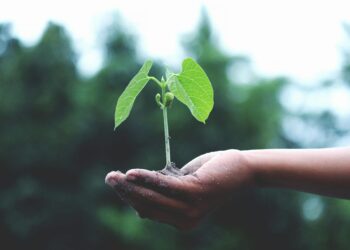
Unseen Environmental Threats: Common Daily Habits That Damage the Planet
While pollution from big industries often captures global headlines as a major villain against environmental health, our everyday routines—seemingly innocent and harmless—can unwittingly contribute to severe ecological damage. This article delves into common daily habits that pose unseen threats to our planet, offering practical steps we can take to reduce our environmental footprint.
The Invisible Impact of Everyday Activities
It’s easy to overlook the environmental impact of our day-to-day actions, simply because their effects aren’t immediately visible. However, when multiplied by billions of people globally, these small actions can significantly harm the planet. Understanding and modifying these habits is crucial for sustainable living.
Excessive Water Usage
Water scarcity is becoming a pressing issue worldwide, yet excessive water use remains a prevalent practice in many households. Daily habits such as taking long showers, leaving taps running while brushing teeth, and using old, inefficient appliances can waste vast amounts of valuable water resources.
How to Conserve Water
- Switch to water-efficient fixtures.
- Fix leaks promptly.
- Opt for shorter showers and turn off the tap while brushing or shaving.
Overdependence on Single-Use Plastics
Single-use plastics are a staple of modern convenience but a nightmare for the environment. Items like plastic bags, straws, coffee cups, and takeaway containers take centuries to degrade and often end up in oceans, harming marine life and ecosystems.
Alternatives to Single-Use Plastics
- Use reusable bags, bottles, and containers.
- Choose products with minimal or recyclable packaging.
- Support businesses that are committed to sustainable practices.
Unintentional Home Energy Waste
Energy consumption is another everyday aspect with hidden environmental costs. Old appliances, poor insulation, and habits like leaving electronics on standby can lead to unnecessary power use and increased carbon emissions.
Energy Saving Tips for Home
- Invest in energy-efficient appliances.
- Upgrade home insulation to reduce heating and cooling needs.
- Unplug devices when not in use and utilize smart power strips.
Unsustainable Food Choices
The food industry significantly contributes to global environmental degradation through deforestation, water overuse, pollution, and greenhouse gas emissions. Our individual food choices play a role in this complex issue.
How to Opt for Sustainable Eating
- Reduce meat and dairy consumption and embrace plant-based diets.
- Buy local and seasonal produce to decrease the carbon footprint associated with transportation.
- Compost food scraps instead of throwing them away to reduce landfill waste.
Mismanagement of Electronic Waste
Electronic waste or e-waste is one of the fastest-growing waste categories globally, driven by high consumption rates of electronic devices and their rapid obsolescence. Improper disposal of e-waste can lead to toxic substances contaminating soil and water.
E-Waste Recycling and Reduction
- Recycle old electronics responsibly by taking them to certified e-waste recycling centers.
- Buy electronics that are durable and repairable.
- Consider buying refurbished devices to extend their life span and reduce demand for new products.
Pollution From Commuting
Everyday commuting, especially in private vehicles, is a major source of air pollution and carbon emissions. Opting for public transport, carpooling, biking, or walking can significantly reduce your environmental impact.
Sustainable Commuting Options
- Use public transit whenever possible.
- Join or organize a carpool group.
- Consider biking or walking for shorter distances.
FAQs on Unseen Environmental Threats
Why are these everyday activities considered environmental threats?
Even seemingly minor actions, when accumulated across billions of people, can lead to significant environmental degradation, highlighting the importance of individual responsibility and proactive behavior changes.
Can individual actions really make a difference?
Yes, collective actions of individuals have the power to drive substantial change, particularly when adopted widely and supported by community-driven, corporate, and governmental policies that prioritize sustainability.
Conclusion
Recognizing and adjusting our daily habits can profoundly impact our planet’s health. By conserving water, minimizing energy consumption, reducing waste, making informed food choices, responsibly disposing of e-waste, and opting for sustainable commuting methods, we can contribute to a healthier, more sustainable world. Let’s make these changes today for a better tomorrow.