Innovating for Tomorrow: Engaging Students in Renewable Energy Projects
Did you know that enough sunlight hits the Earth in just one hour to meet the world’s energy demands for an entire year? Pretty amazing, right? But here’s the thing, while the potential for renewable energy is huge, harnessing it effectively is a big challenge. And that’s where our young minds enter the picture! By engaging students in renewable energy projects, not only are we preparing them for a sustainable future, but we’re also tapping into unlimited creative energy.
Firing Up Young Minds with Solar-Powered Solutions
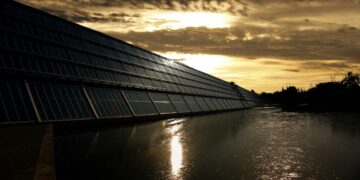
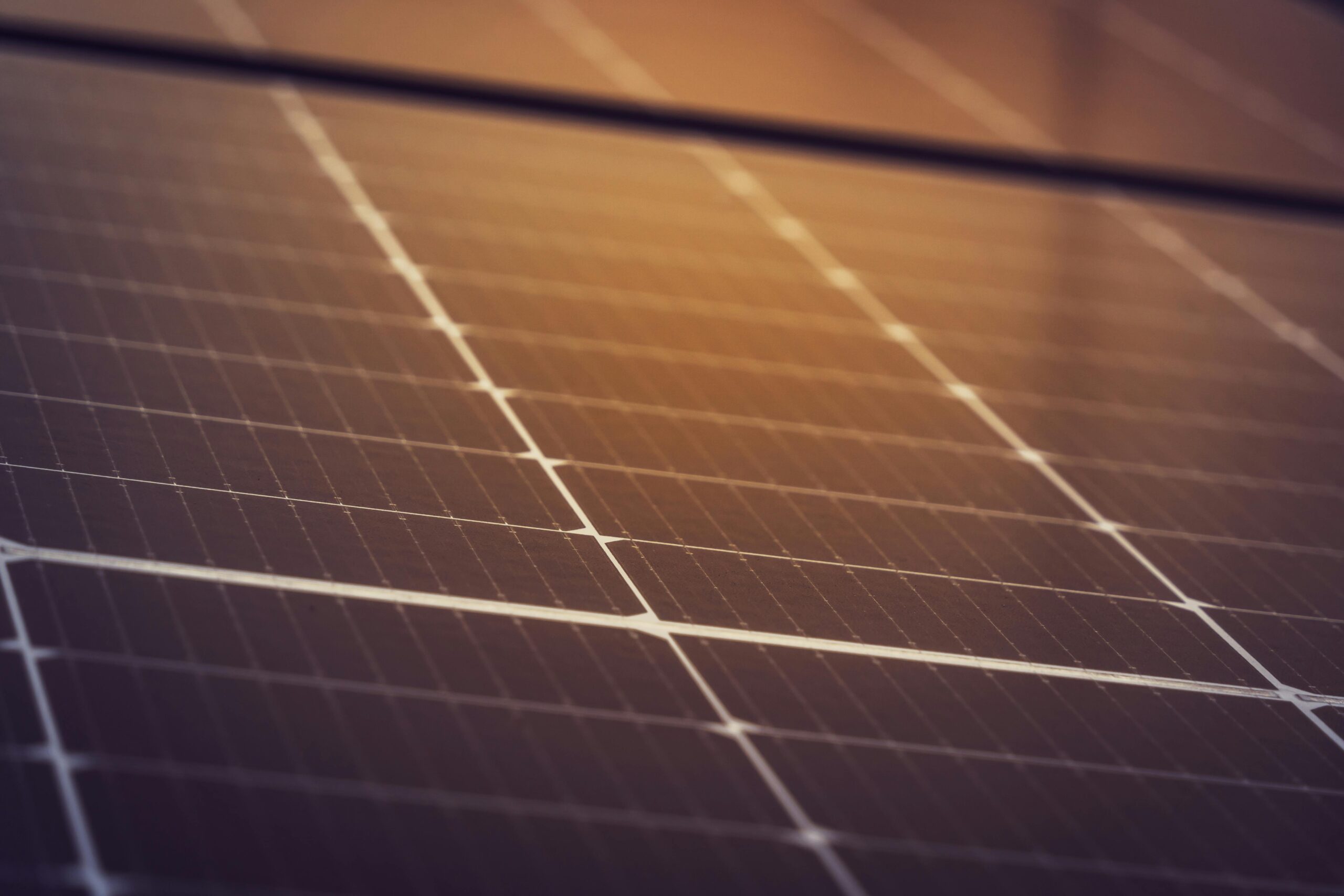
Let’s start with a story about a middle school in Oregon. Here, students under a science teacher’s guidance built a small-scale solar panel system that powers their classroom’s lighting. This project didn’t just light up a room; it lit up their imaginations. It turned abstract concepts like photons and voltage into hands-on, tangible learning experiences. And guess what? These students went on to participate in state-level science fairs with projects that proposed new ways to improve solar panel efficiency.
The Power of Wind in the Palms of Their Hands
Now, moving from sun to wind. Wind energy projects can be thrilling for students. Imagine constructing miniature wind turbines that can actually power small devices. Students in a high school in Kansas did just that. They explored how different blade designs affect the amount of electricity generated. Through trial and error, and yes, a few less-than-perfect attempts, they learned about aerodynamics and energy conversion. It was real-world physics and engineering at play!
Creating Waves With Hydropower
Hydropower isn’t left out of the student project spectrum either. A group of students created a model of a hydropower plant after studying their local river system, which demonstrated the conversion of kinetic energy from moving water into electricity. This project helped them appreciate the complexities of building a renewable energy facility that is both efficient and environmentally friendly.
Why It Matters
So, why should we bother getting students involved in renewable energy projects? First, these projects are a fantastic way to bring science and mathematics concepts to life, right before their eyes. They’re not just solving textbook problems; they’re tackling real-life challenges that impact the whole planet!
Moreover, it sparks an early interest in careers in the STEM fields—science, technology, engineering, and mathematics. With climate change posing significant challenges to our planet, the need for passionate and innovative scientists and engineers has never been more critical.
Action Steps for Tomorrow’s Innovators
Here’s how educators and parents can get started:
- Collaborate with Local Universities or Science Centers: Many organizations are eager to partner with schools on renewable energy projects.
- Start Small: Simple projects like designing solar ovens or building basic circuit boards can spark curiosity.
- Incorporate Competitions: Participation in science fairs or renewable energy challenges can motivate students immensely.
Bringing renewable energy projects into classrooms isn’t just an educational investment. It’s a step toward building a sustainable future with leaders who are already knowledgeable and passionate about the cause. Let’s harness this boundless energy not just to power our schools, but to inspire our students.
Looking to the Horizon
Engaging students in renewable energy projects prepares them not just for future careers, but for actively participating in shaping a sustainable world. The curiosity, skills, and knowledge they acquire today are fundamental to tomorrow’s innovations. With each project, students aren’t just learning about energy—they’re learning about responsibility, innovation, and the critical role they play in our world.
So, as we innovate for tomorrow, let’s make sure our students are not just onlookers but active contributors. They are, after all, the key to unlocking a greener planet. And that’s not just good for them; it’s essential for all of us.