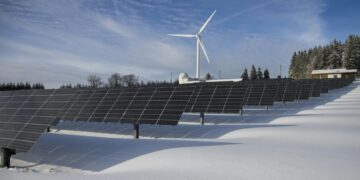
Harnessing the Breeze or the Beams? Comparing Wind and Solar Energy Efficacy
Imagine a world where every home powers itself through the sheer force of nature—from the gentle gusts of wind or the gleaming sunlight. It’s not just a dream anymore; with advancements in technology, renewable energy sources like wind and solar power are turning into viable everyday options. But here’s the thing: which of these sustainable options comes out on top when it comes to efficiency and practicality for everyday use?
The Basics of Wind vs. Solar Power
Let’s kick things off by getting to know each contender a bit better. Wind energy harnesses the power of wind to propel blades of a turbine, which in turn generates electricity. It’s particularly effective in wide-open spaces and onshore or offshore. Conversely, solar energy captures sunlight, converting it into electricity using solar panels usually mounted on roofs or large outdoor fields.
Understanding the Efficiency
Efficiency might sound like a tricky word, but it’s really just about how good something is at doing its job. In the battle of efficiency between wind and solar power, wind turbines generally convert a higher percentage of their natural resource (wind) into power. Experts estimate that wind turbines convert up to 50% of their kinetic energy into electrical energy, while solar panels typically reach about 15-22% efficiency in converting sunlight.
Factors Influencing Efficiency
Location, Location, Location
The real trick lies in their deployment. Wind turbines love breezy places. If you’re in a region where the wind is as common as birds in the sky, wind energy might prove more beneficial. On the flip side, solar panels crave sunlight. They perform optimally in areas that enjoy abundant sunshine year-round, making them ideal in places like California or Arizona. So, geography plays a huge role in determining which option is more suitable.
What About the Weather?
Weather conditions also govern the efficacy of wind and solar power. For instance, a cloudy day can severely diminish the power output of solar panels while similar weather conditions could be beneficial for wind turbines, provided there’s enough wind. This variability necessitates the integration of batteries or backup systems to store and regulate the flow of electricity.
Environmental and Economic Impacts
Green Footprint
Both wind and solar energy are champions of the green-energy movement. They generate electricity without releasing harmful pollutants into the air, which is great for our planet! However, solar panels require more space per watt of electricity generated compared to wind turbines. This makes wind turbines a preferable option in densely populated areas.
Cost Efficiency
When it comes to cost, setting up solar panels generally tends to be cheaper than erecting wind turbines. However, maintenance costs for wind turbines are often lower, so it balances out over time. A lot also depends on the scale at which you’re operating; large-scale setups might benefit more from economies of scale, particularly in wind power projects.
What’s Best for You?
Deciding whether to go for wind or solar power can seem daunting. Think about your local climate, the space availability for installations, and your budget. It’s also worth considering the long-term savings and the type of backup systems you might need. Consulting with an expert can provide personalized insights tailored to your specific situation.
Making the Choice
Both wind and solar power have their pros and cons, and the best choice often depends on individual circumstances and local geographical and meteorological conditions. By considering not only the current costs but also potential savings and environmental benefits, you can make a well-informed decision that aligns with both your energy needs and sustainability goals.
In conclusion, harnessing the breeze or the beams is not just about picking a winner in a contest; it’s about evaluating and aligning with the most efficient, cost-effective, and sustainable option for your specific needs. As these technologies continue to evolve, their growing accessibility and effectiveness will undoubtedly play a key role in shaping the future of global energy.