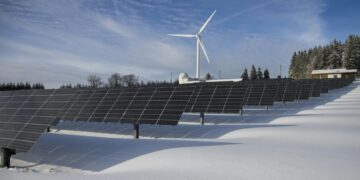
Sun-Powered Shift: A Practical Guide to Switching to Solar Energy
Ever paused during a power outage and wondered about a more reliable, sustainable energy source? Solar energy might just be the perfect answer. As modern technology continues to advance, opting for solar power becomes not only a viable choice but also a strategic, eco-friendly decision for many.
Let’s explore the sunny side up of this transition. Most of us are familiar with solar panels seen on rooftops, but how exactly do they convert sunlight into electrical power? And more importantly, how can you make a move towards solar energy without feeling overwhelmed by technicalities or upfront costs? This guide is tailored to walk you through that process in plain, easy-to-understand language.
Why Solar Energy?
Clean and Limitless Power Supply
Harnessing solar energy essentially means tapping into an inexhaustible source of power—the sun. Unlike fossil fuels, the sun shines almost every day, providing a clean, renewable way to power your home. Plus, it significantly reduces the carbon footprint, a tremendous plus for the environmentally conscious.
Cost-Effective in the Long Run
Initially, setting up solar panels involves some costs, but here’s the thing: in the long run, the decrease in your electricity bills can be substantial. Many countries offer incentives like tax credits and rebates, making it an economically appealing choice.
Energy Independence
Relying on the national grid means you’re at the mercy of power outages and increasing energy prices. Solar power gives you a sense of independence and security by decentralizing your energy supply.
How to Switch to Solar Power
Evaluate Your Home’s Solar Potential
First things first, check how suitable your home is for solar panel installation. This depends on several factors including roof space, orientation, and any shading from trees or other structures. Several online tools and local consultants can provide a solar potential assessment specifically for your home.
Understand Different Solar Equipment Options
Not all solar panels are created equal. They come in various sizes, types, and efficiency levels. Some common types include:
- Monocrystalline panels: High efficiency and sleek design but relatively expensive.
- Polycrystalline panels: Slightly less efficient but more affordable.
- Thin-film panels: Lesser efficiency, flexible, and ideal for certain roof types.
Choosing the right type depends on your specific needs, budget, and the available space on your roof.
Financing Your Solar Panel Installation
Money matters, right? Here’s the good news: besides paying cash, you can opt for solar leases, power purchase agreements (PPAs), or solar loans. Each has its pros and cons related to ownership, maintenance, and financial incentives. Get some advice from financial and solar experts to choose the best fit for your situation.
Hire a Professional Installer
Finding a trusted installer is crucial. Seek out certified professionals with good reviews. Proper installation ensures that your system works efficiently and safely, maximizing the return on your investment.
Maintaining Your Solar System
Regular Inspections and Cleanings
Solar panels need little maintenance but keeping them clean and free from obstructions like leaves ensure they function optimally. Also, have a professional check them annually for any needed repairs or upgrades.
Real-Life Success Stories
Consider the Smith family from Arizona who decided to switch to solar in 2018. They were initially skeptical but the monthly savings on their energy bills and significantly lower carbon emissions converted them into solar advocates. They’re just one of many families making this beneficial switch for both the planet and their pockets.
Conclusion
Adopting solar power isn’t just a technological upgrade—it’s a lifestyle change. It promises a cleaner, greener future while saving you money in the long run. Remember, every solar panel installed takes us a step closer to a more sustainable planet. Are you ready to make the shift?
Transitioning to solar energy is a bright idea for our times. It’s simple and efficient once you understand the basics and find the right help. Let the sun power your shift to a better, more sustainable way of life.